
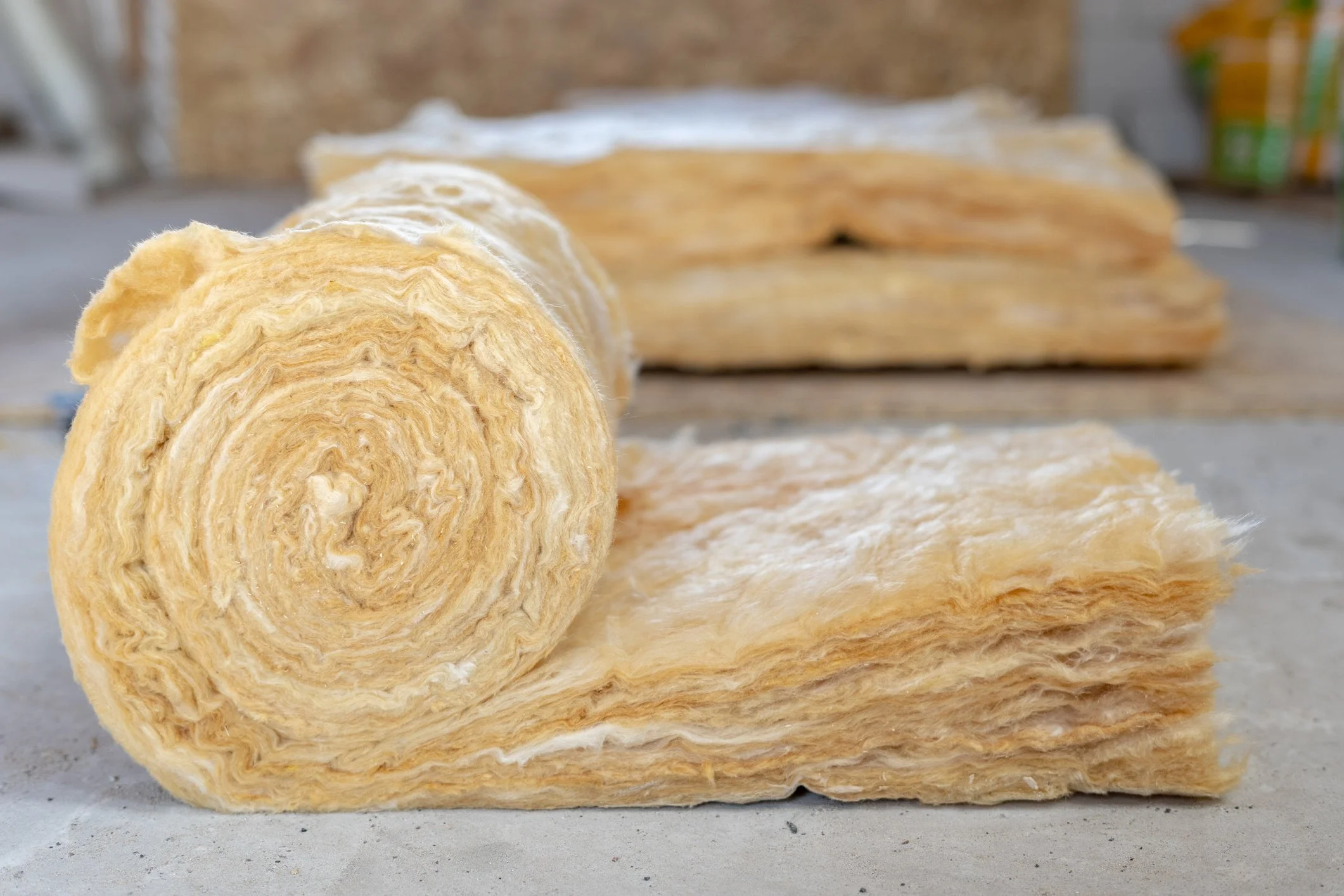
With a properly insulated building, it’s often possible to reduce energy usage by enhancing the ability of a structure to retain heat.
When it comes to seasonal preparedness, there’s a ton to consider. Bundling up is a normal part of winter for many of us, but what about our homes and other indoor spaces? That’s where proper insulation often comes in.
With a properly insulated building, it’s often possible to reduce energy usage by enhancing the ability of a structure to retain heat. But why is this? What is it about proper insulation that’s so beneficial? If you’re curious, read on. We’ll explore some of the science behind insulation and explore why it can be so helpful in saving money on energy bills.
The Goal of Insulation
First, let’s explore what insulation broadly aims to do. In the context of homes and other buildings, insulation typically refers to heat insulation materials.
The goal of heat insulation materials in buildings is to reduce the speed at which walls are able to transfer heat. In reducing the flow of heat across walls, floors, ceilings, and roofs, insulation enables the spaces within to maintain more consistent temperatures with less intervention.
How Insulation Works
So, how does insulation offer this protection against the transfer of heat? The answer lies in the materials from which it’s made and how it’s configured.
Insulation can be made from a wide range of materials, but they typically share the physical characteristic of being poor conductors of heat. Heat conduction refers to a material’s ability to transfer heat across itself.
Effective insulating materials often have low thermal conductivity, meaning they’re more effective at blocking heat. Some examples include fiberglass, cellulose, and polystyrene.
Materials are also often combined with other materials to make them more fire-resistant for enhanced safety.
Why Insulation Helps with Energy Costs
Reducing the flow of heat can be beneficial in both cold and warm weather—especially when we consider our energy costs. In warmer months, better-insulated homes may require less energy to cool efficiently because they can more effectively block out incoming heat. Similarly, in colder months, better-insulated homes can take less energy to stay heated because they’re better able to trap heat inside.
Find Out How to Improve Your Home’s Insulation
Insulation can be an excellent way to save on energy costs, and there’s some interesting science behind why!
By reducing the amount of heat that is able to quickly transfer through your home or business, it’s often possible to reduce the amount of energy required to maintain a comfortable temperature. In doing so, it may be possible to improve energy costs, making your building not only more cost-effective but potentially more environmentally friendly as well.
Remember, if you’re considering winterization, we’re ready to assist. Whether you’re looking for help with insulation, sealing up your windows, or any other winterization projects, One Man and a Toolbox is here to help. To learn more or get in contact, visit us online and get started today.