• Skip to main content
Request a Service
Menu
  • Home
  • About Us
  • Residential
  • Commercial
  • Special Projects
  • Blog
  • Contact Us
(205) 823-2111
Request a Service

Stephen Alberts

Sep 10 2019

The Ultimate Guide to Lighting Your Home

michael browning tOZ f5kl9BA unsplash 1
 

Lighting is one of the most important aspects of creating a beautiful, functional space. Proper lighting and placement can set the tone for each room and define the room’s purpose. Lighting also changes how we perceive textures and colors. When the right lighting is achieved, it can transform a room into a desirable combination of style and functionality. 

Before you begin planning, consider the activities that occur in each room and the atmosphere you want to create. Lighting can make a difference when it is used correctly. There are three basic types of lighting: ambient, task, and accent. A successful lighting plan combines all three types to light an area. 

reinaldo-kevin-EQz1tZWS1hM-unsplash.jpg

Ambient Lighting.


Ambient, or general, lighting is an essential part of any lighting plan because it sets the tone for your space and provides an overall glow. Ambient lighting creates a comfortable level of brightness, allowing you to safely get around your space. This type of lighting is usually achieved through chandeliers, ceiling lamps, mounted fixtures, or track lights. Think of ambient lighting as a basic form of lighting to replace sunlight. We recommend using lights with warmer tones.

Accent Lighting.

The main purpose of accent lighting is to create a focal point. Accent lighting builds on to the ambient lighting, adds dimension, and can be be used to draw attention to a specific feature or piece of art. To accurately draw attention, accent lighting should be at least three times brighter than the rest of the lights in the room. The goal is to draw attention to your chosen feature without directing the attention to how it is lit. Accent lighting is typically fulfilled with track lights or wall-mounted fixtures.

Task Lighting.

Task lighting is more direct, intense lighting created for detailed work like reading or writing. This type of lighting can be achieved by many different sources. You want your task lighting to reduce glare and prevent eye strain. You can adjust your task lighting depending on the task at hand. Task lighting can be created using overhead track lighting or desk lamps. Make sure your task lamps are adjustable. If not, at least make sure you can angle your task lamp to reduce glare, limit shadows, and avoid damage to the eyes.

For each of these three different types of lighting, there are numerous fixtures available.

Mounted Fixtures.

As the name implies, these light fixtures are mounted directly to the wall or ceiling. In most cases, they feature a glass or plastic shade to cover the lightbulb and diffuse the light evenly. Mounted fixtures, specifically on the ceiling, are used as ambient lighting.

Recessed Lighting.

Recessed lighting is installed above the ceiling. The wiring of the light is hidden behind the ceiling wall. Because recessed lights are level with the ceiling, they require around five to eight inches of space for installation. Recessed lights can be used to produce ambient, accent, and task lighting.

Track Lighting.

Track lighting fixtures attach to a track mounted to the ceiling or hung from the ceiling. This allows the ability to adjust and reposition the lighting, which is perfect for kitchen or gallery spaces where task or accent lighting is necessary. You can simply adjust the focus to the desired area.Desk and Table Lamps.

The most common way task lighting is achieved is with desk and table lamps. Table lamps are great because they’re flexible and can be positioned as needed. They portray light downward, lighting up the surface below rather than providing an overall glow. This is what sets task lighting apart from ambient lighting.

Once you’ve crafted the perfect lighting plan for your home, give us a call. We’ll put your plan into action and take care of the installation process. Contact us today for a quote or fill out the form below to request a service online.

Written by Stephen Alberts · Categorized: Uncategorized

Aug 19 2019

7 Ways to Upgrade Your Bedroom

adam-winger-b87_egH5mos-unsplash.jpg

You deserve a bedroom that’s an oasis. Whether you just moved into a new place or you’re tired of your outdated look, an aesthetically pleasing bedroom is key to creating a relaxing environment. Luckily, you don’t have to spend massive amounts of money to transform your space. We put together a list of 7 ways to upgrade your bedroom.

Switch Up Your Wall Color.

Your bedroom should be a quiet place to rest your head and escape. Choose a paint shade with calming hues to create a tranquil space to wake up to in the morning. Avoid harsh colors like red, orange, yellow, and lime green. We recommend white or beige tones for a simple, yet refreshing look. Cool grays and sky blues are great to create a peaceful yet elegant look. For a professional-looking paint job, you need to do exactly what the experts do.

Incorporate Wallpaper.

If you’re looking to make a statement in your bedroom, we recommend wallpaper. This way if you change your mind, it is an easy fix. You’ll also never have to worry about wallpaper going out of style. Wallpaper can be a little intimidating to install, especially without a professional. If this is your first time installing wallpaper, consider starting with an accent wall.

sidekix-media-f1Rd2HsoKnk-unsplash.jpg

Perfect the Lighting.

Between all the rooms in your home, your bedroom is most likely the only one you spend time in when it’s completely dark and completely bright. Your bedroom lighting design is essential to ensure it is a comfortable place to unwind. Plus, nothing is worse than fluorescent lighting. The key to finding the best lighting for your bedroom is to know how to layer your lighting. Find a balance between ambient, task, and accent lighting. Ambient lighting is typically soft and sets the tone for your space. Task lighting is your direct, intense lighting detailed work like reading or writing. Accent lighting is usually brighter than ambient, but less direct than task lighting. Accent lighting draws attention to a feature. If you can create this balance, you will be able to give your bedroom the upgrade it deserves.

Add Crown Molding.

It’s all about the details! Dramatically alter your bedroom design and bridge the gap between your walls and ceiling by installing trim or crown molding. Even adding a simple 6-inch border of crown molding at the top of your walls will make your bedroom appear significantly more elegant. We recommend discussing with a professional before getting started, choosing the right molding is crucial to the outcome.

Ditch the Blinds.

It’s no secret that blinds aren’t very attractive. Consider hanging curtains to add a little bit more character to your bedroom. Whether you take down the blinds or add curtains on top is up to you.

jonny-caspari-KuudDjBHIlA-unsplash.jpg

Reposition Artwork.

A simple way to refresh the look of your bedroom is to rearrange or replace your artwork. When you hang numerous pieces of art together, visual balance is essential. We know how stressful arranging artwork can be. Save yourself the frustration of hanging and rehanging a group of art by tracing each piece of art on Kraft paper. Avoid covering your wall with holes, use painter’s tape to play around with the placements.

Rearrange Furniture.

You’d be surprised just how different your room can look with a slightly different furniture arrangement. Move your bed or dresser to another wall. You may even discover a whole new area of space you didn’t know you had before.

Ready to upgrade your bedroom to the charming escape you’ve always dreamt of? Whether it’s painting your walls or helping you perfect your lighting, we’re here to assist. Contact us today for a quote or fill out the form below to request a service online.

Written by Stephen Alberts · Categorized: Uncategorized

Jul 23 2019

Summer Home Maintenance Tips

Picture1.png

Summer has arrived in full force, which means the outdoors are almost unbearable. Manual labor is probably not on your to-do list, but there are many home maintenance chores to tackle in order to save major repair costs down the road. Use this heat as an opportunity to spend some time indoors improving your home.

Picture1.png

Seal Your Home.

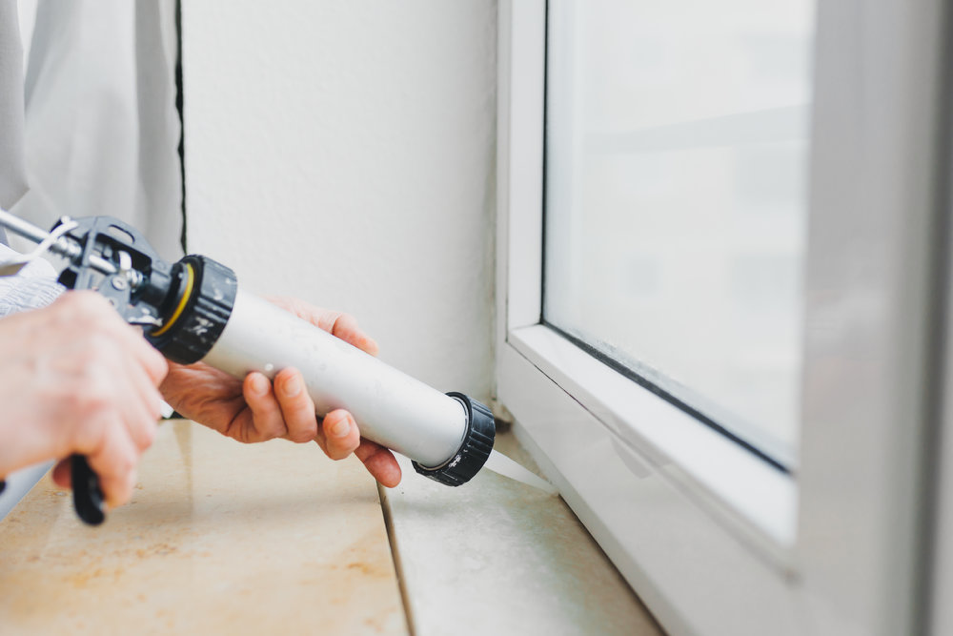
Over time, houses shift and move. This allows hot air to leak in through small cracks and waste large amounts of energy. Windows, door frames, electrical outlets, and switch plates are common places that air is lost. To get started, purchase some high quality, clear caulking material. Run the caulking material along your window and door seams. To ensure you apply the material in a straight line use a caulking tool. Once you seal these cracks, hot air will stop creeping into your home and your wallet will thank you.

Clean Up Your Pool.

With the scorching summer sun, you want to enjoy your crystal clear pool. Nothing ruins a summer day like a pool full of algae. Keep your pool in tip-top shape by testing the pH level weekly with a pool water test kit to ensure chemicals are balanced and safe. For the cleanest and safest water, the pH level should remain between 7.2 and 7.8. If you need to destroy contaminants, you’ll have to shock the water. The best time to do this is at night so that the sun doesn’t burn the chemicals. Be sure to dissolve the chemical shock in a bucket of water before pouring it into your pool. Do not directly pour the shock into your pool.

Drain Your Water Heater.

It’s easy to forget to drain your water heater. Flushing your water heater is necessary to improve the unit’s efficiency and life span. Plus, this will keep your showers as hot as you want them. Drain your water heater once a year to release build-up that is harming its performance. To drain, turn off the electricity or gas, close the cold water supply valve, and attach a hose to the drain valve. Snake the hose outside and open the drain valve followed by the pressure relief valve. Once all the tank is completely drained, open the cold water valve again until the water runs clear. Close both valves and allow the tank to refill before you remove the hose. You may now turn your water heater back on. If this is too complicated, call a professional.

Check Your Washer and Dryer.

Seems like there’s always more laundry to do in the summer, but can your washer and dryer handle the large loads? Take care of your appliances to ensure they last longer. Add a bit of diluted bleach or white vinegar into your washer to give it a nice cleaning and prevent mold from growing. Avoid using an overload of detergent. Detergent can create a build up in your washing machine and result in clothes that aren’t completely washed. Over time the detergent can cause machine components to fail altogether. Remove and wash the lint screen in your dryer, especially if you use dryer sheets. If the automatic cycle isn’t getting your clothes completely dry, check for lint in the dryer vent tube. 

Take care of your home and your belongings! If you need assistance tackling all your home maintenance chores, call One Man & A Toolbox at 205-823-2111 or fill out the form below.

Written by Stephen Alberts · Categorized: Uncategorized

Jun 10 2019

Home Improvement Ideas to Increase Home Value

bigstock-Suburban-House-With-Landscapin-279609763.jpg

Many home improvement projects may actually decrease the value of your home. So which home improvement projects should you invest in? Whether you’re looking to build equity or preparing to sell your home, consider the tips below.

rustic-vegan-1561506-unsplash (1).jpg

Remodel the Kitchen.

Many people consider the kitchen to be the heart of the home, so investing in updates to your kitchen will pay off. If you only renovate one room in your home, pick the kitchen. If you don’t want to break the bank, we recommend making simple changes focusing on colors and textures. Start with minor changes like painting cabinets or installing new hardware. Creating a new backsplash is a great, simple way to bring an older kitchen up to speed. If you have a larger budget to work with, consider installing updated appliances and fixtures. Currently, stainless steel appliances are on trend. We recommend purchasing appliances that are energy-efficient. They’re not only better for the environment, but will save you money in the long run. Remember not to go overboard. Your kitchen should never be fancier than the rest of the house or the neighborhood. When your kitchen is freshly updated, homebuyers tend to be willing to look past other outdated areas of the home. This is a project that is sure to pay off. Get rid of your old, out-dated kitchen tiles and install a new backsplash. There are so many different color and design options. Start by finding a design you love then get to planning. Your brand new backsplash will liven up your kitchen. Check out more tips here.

Add an Additional Bathroom.

Is your home lacking in the bathroom department? Homes with limited bathrooms can have a hard time selling. Make your home market-ready by adding another bathroom. When looking for space to add to your extra bathroom, think about which areas of your home are underutilized. Whether it’s an unused closet or space under the stairs, you need at least 18 square feet for a half-bath and at least 30 square feet for a full bath. If you want to incorporate a bathtub, you’ll need at least 35 square feet. Spend some time brainstorming on a layout. You want to be certain on a design plan before you make any purchases. The cost of this project will vary depending on the types of accessories you want to use. Before you get started, consider consulting a professional.

Utilize Every Room.

While adding more square footage to a home is incredibly expensive, reinventing existing space is worth your while. If you’re like most people, you probably bought your home with every intention to finish the basement. Sound about right? Other great ways to utilize every inch of your home are to convert the attic to a bedroom or transform the garage into a small apartment. Before jumping to a decision and demolishing the walls and rafters, think as if you were a potential buyer. Could you make the space more versatile to appeal to potential buyers? Don’t let the scale of these projects overwhelm you. Start by creating a list of wants for each space, then form a to-do list.

tanny-do-710568-unsplash.jpg

Add a Deck.

Adding a deck definitely increases the value and appeal of your home. Outdoor living spaces are one of the most desirable features of a home to potential buyers. The price of this addition can widely vary. Do you want built-in seating? How about built-in flower pots or multiple staircases? The size of your deck and the materials you plan to use are other factors that contribute to the price. Before you get started, consider the amount of time you have to spare. Building a new deck is not a simple task, and hiring a contractor could be very useful. If your home already has a deck, make sure it is in tip-top shape before listing your home. You can find our deck maintenance tips here.

Incorporate Storage.

Many potential buyers are in the market for a bigger space with more storage. However, incorporating additional storage doesn’t mean adding more square footage. Make sure your closets and pantries are properly utilizing the space.

For more tips on how to make the most out of your space, click here.

Ready to get started on your home improvement projects, but lack the free time? Give One Man & A Toolbox a call today. Whether it’s replacing your out-dated ceiling fan or helping you finish your basement, we want to help. Contact us today for a quote or fill out the form below to request a service online.

Written by Stephen Alberts · Categorized: Uncategorized